
Ever stared at your Solana wallet activity and thought, “Wait, what just happened here?” Yeah, me too. Managing crypto transactions isn’t exactly like scrolling through your bank app—sometimes it feels like you’re piecing together a puzzle with missing pieces. But here’s the thing: understanding your transaction history, especially on Solana, can make or break your DeFi journey, staking endeavors, and yield farming profits.
Solana’s blazing speed and low fees get all the hype, but folks often overlook the nitty-gritty of tracking what’s going on under the hood. It’s like owning a sleek sports car without checking the dashboard—you might be speeding, but for all you know, your engine’s overheating. The same goes for your wallet activity.
Whoa! If you’re into yield farming or staking on Solana, keeping tabs on your transaction history isn’t just a chore—it’s essential. At first glance, it might seem overwhelming. Honestly, I once thought, “Why bother?” But then I started seeing unrecognized fees and missed rewards because I wasn’t paying close enough attention. That was my wake-up call.
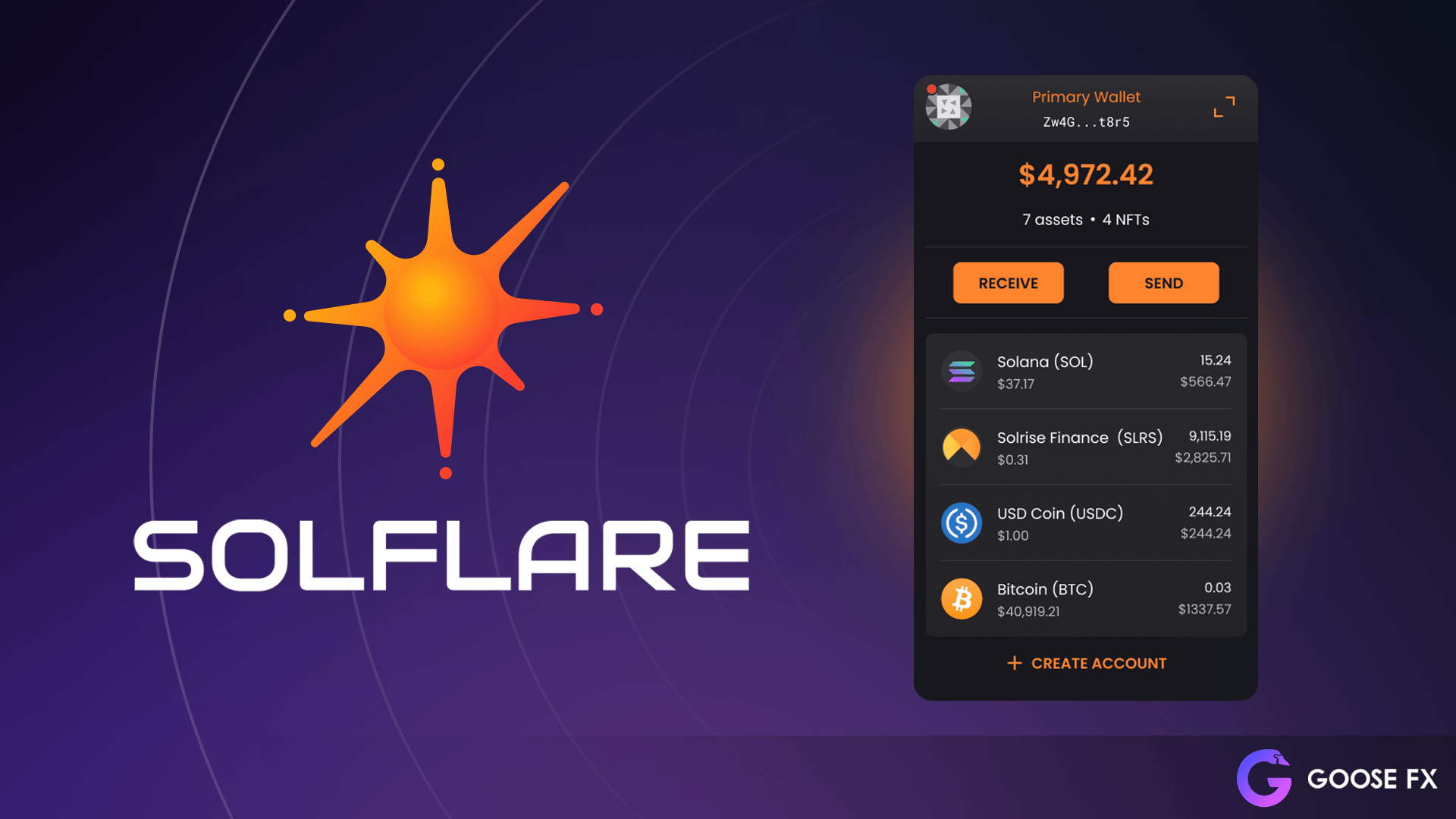
So, where do you start? Well, for many of us, that’s the wallet. And here’s a pro tip: choosing the right wallet can simplify this whole mess. I’m biased, but the solflare wallet has been my go-to. It offers a neat transaction history interface that’s much easier to digest than raw blockchain explorers.
Seriously, managing your portfolio without clear access to your transaction timeline is like trying to herd cats—chaotic and frustrating. In Solana’s ecosystem, every swap, stake, or unstake action leaves a footprint. Tracking those footprints helps you catch errors early, avoid double spends, and optimize your yield farming strategies.
Digging Into Transaction History: More Than Just Numbers
Okay, so here’s a thing I noticed: transaction histories on Solana aren’t always straightforward. Unlike Ethereum’s verbose logs, Solana’s entries can sometimes look cryptic if you’re not familiar with its structure. Initially, I thought, “Oh, it’s simpler here,” but actually, it’s just different—and that threw me off for a bit.
Medium-length transactions might show up as “Program Instruction Invoked” or “Token Transfer.” Without context, it’s easy to miss what that really means for your staking positions or liquidity pools. On one hand, Solana’s speed and cost efficiency are killer, though actually, they come with the trade-off of less transparent raw data for casual users.
For example, when you’re yield farming, you might make multiple small transactions that add up over time. If your wallet or app doesn’t present these cleanly, you could miss how your actual returns stack up against fees. I can’t tell you how many times I thought my yield was solid, only to realize fees nibbling away silently because I didn’t check closely enough.
Here’s what bugs me about some wallets: they bury transaction details under layers of jargon or require manual digging into blockchain explorers. That’s why having a user-friendly interface like solflare wallet matters—it bridges that gap between raw data and digestible info.
Another thing—transaction history isn’t just about past actions. It’s a vital tool for planning your next moves. Knowing exactly when you swapped tokens, staked assets, or claimed rewards helps you time your yield farming cycles better. Miss a step, and you might lose out on compounding benefits.
Yield Farming and Staking: Why Tracking Transactions Changes the Game
Look, yield farming on Solana is exciting—fast protocols, low fees, and a growing ecosystem. But it’s also a bit like juggling flaming torches. One wrong move, and you could lose more than you gain. I remember jumping into a promising liquidity pool without fully reviewing my transaction history afterward. I didn’t realize I’d missed a claim window for rewards. That was a costly oversight.
Yield farming involves constant movements: staking tokens, unstaking, reinvesting rewards. Each action is a transaction with potential fees—even if minimal. Without precise tracking, those tiny expenses add up. Plus, some protocols have lock-up periods or penalties that only show up clearly if you monitor your transaction sequence carefully.
Now, I’m not perfect at this. Sometimes I get a bit lazy and just skim my transaction list. But tools like the solflare wallet help catch those details. It’s got features that summarize your staking status and highlight pending rewards, which is super helpful when you’re juggling multiple farms.
Here’s a quick tip—export your transaction history regularly. This lets you analyze your yield farming cycles offline, spot trends, and even prepare for tax season without scrambling. (Oh, and by the way, tax rules around crypto yields can be a pain, so having clear records is a lifesaver.)
On a related note, I found that some users underestimate how quickly their portfolio can change. Solana’s ecosystem moves fast. A transaction you made last week could impact your rewards today. That’s why real-time, clear transaction tracking isn’t just nice—it’s necessary.
Why Solflare Wallet Stands Out for Solana Users
Alright, I’ll admit, I’m a bit of a wallet snob. After trying several options, I kept coming back to the solflare wallet. It’s not perfect, but it nails the balance between usability and power features. For someone knee-deep in DeFi and staking, that’s huge.
One feature I love is how it organizes your transaction history with clear labels and timestamps. You can see staking actions, swaps, and token transfers without needing a blockchain PhD. This transparency helps me feel more confident when yield farming or managing multiple token positions.
Plus, it supports both desktop and mobile, which means I’m not tied to my laptop when I want to check my portfolio on the go. That’s a game-changer, especially when markets are volatile and timing is critical.
Something felt off about some other wallets—they either hid too much detail or overwhelmed me with confusing logs. Solflare strikes a nice middle ground, which I appreciate. I’m not a developer but being able to navigate and interpret my transaction history without frustration makes a huge difference.
So, if you’re just getting started or even if you’re a seasoned Solana user, giving your transaction history more attention—and using the right wallet to do it—can seriously up your DeFi game.
Common Questions About Solana Wallet Transaction History and Yield Farming
Why is my transaction history on Solana different from Ethereum’s?
Great question. Solana uses a different architecture, so its transaction logs are generally more compact and sometimes less descriptive at first glance. This can make Solana’s histories trickier to interpret unless you use tools or wallets designed to decode them, like the solflare wallet.
How can I avoid missing yield farming rewards?
Keep a close eye on your staking and claim transactions. Using wallets that clearly display pending rewards and claim windows helps a lot. Also, exporting and reviewing your transaction history regularly can catch anything slipping through the cracks.
Are transaction fees on Solana really negligible?
They’re much lower than many blockchains, true, but “negligible” depends on your activity level. Frequent micro-transactions in yield farming can add up. Tracking your history helps you spot these small but very very important fees that might erode your gains. Tau Portfolix